Steel Preservation (Basic Maintenance)
Steel Corrosion - Causes.
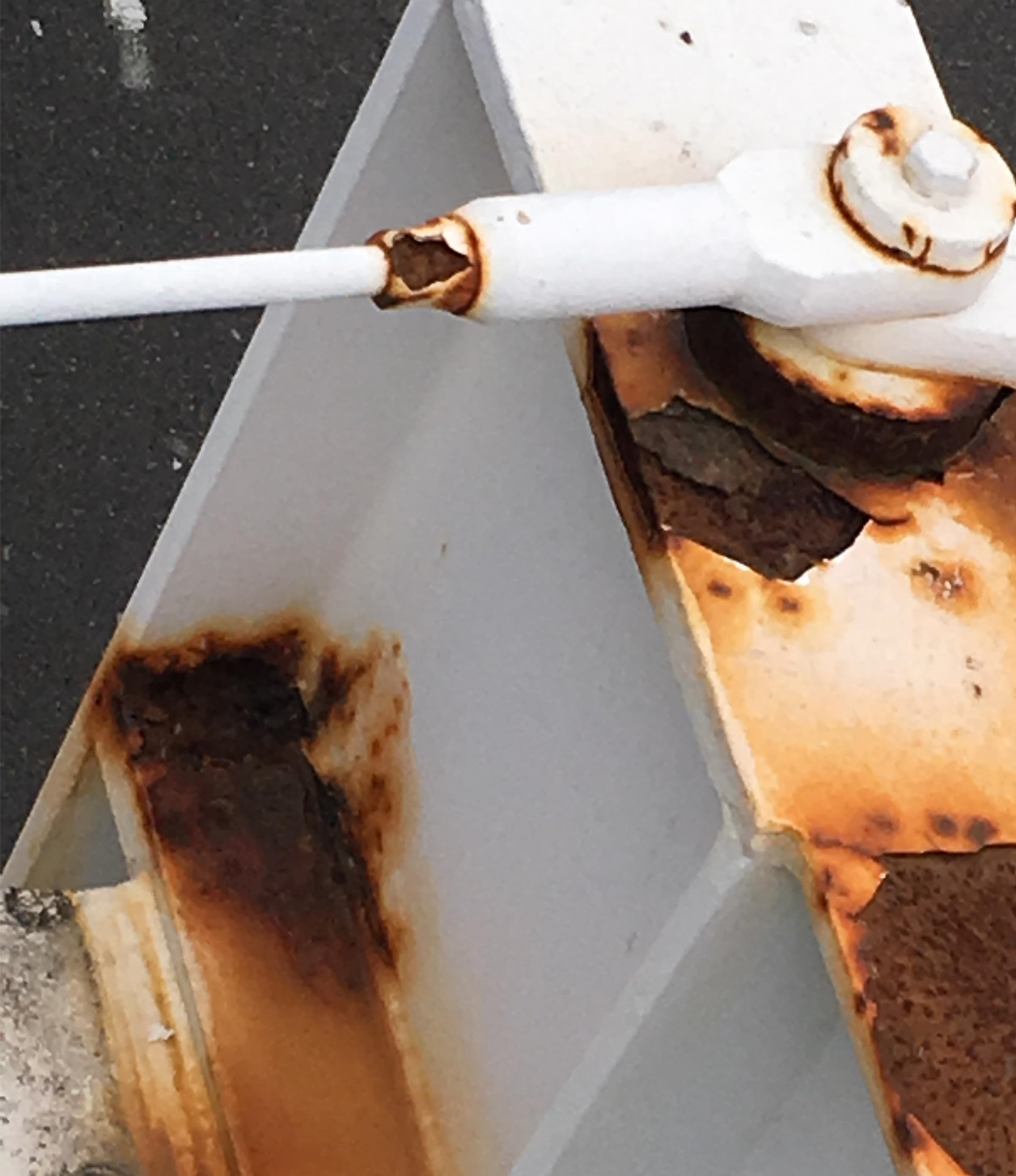
Coating Failures allow contaminants to reach bare steel.
1. Exposure to Oxygen and Moisture
• When steel comes into contact with impure water and oxygen, it undergoes an electrochemical reaction.
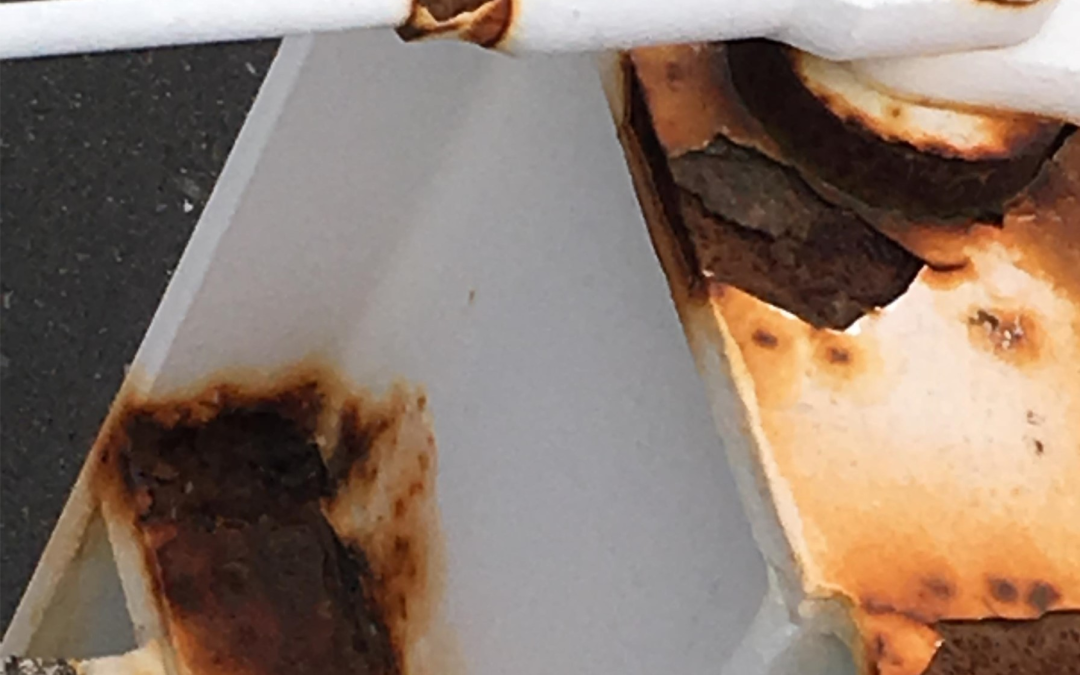
• This reaction forms iron oxide, commonly known as rust, black oxides, and pack rust which weakens the metal through pit corrosion, steel thinning, weakening of fasteners or wire rope deterioration over time.
2. Chloride Ions (Coastal regions, or Winter Environments)
• Chlorides from seawater or de-icing salts can penetrate steel’s protective layer.
• This accelerates corrosion, especially in bridges, marine structures, and vehicles exposed to road salts.
3. Air Pollution and Acid Rain
• Pollutants like sulphur dioxide and nitrogen oxides contribute to acid rain.
• Acid rain lowers the pH of water, making it more corrosive and speeding up steel degradation.
Common Causes of Coating Failures.
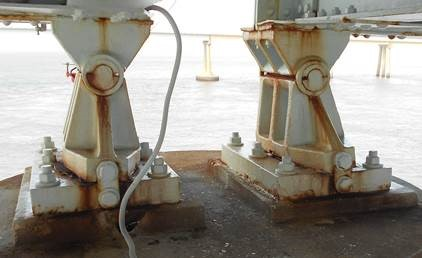
Corrosion is the by-product of corrosive contaminates, water and oxygen making its way to steel substrate. Contamination can be result of:
1. Contaminated Substrate: Contaminates were not removed from the steel substrate during surface preparation prior the application of the coating system.
2. Crevice Corrosion: Hard film form paints were used to cover up moving connections and the applied coating micro-cracked at the connection movement.
3. Pack Rust: The inside of the connection had not been properly flushed out, nor chemically neutralized, nor treated with the right field proven chemistry to neutralize the corrosion hotspot, nor coated with a flexible coating system that flexes with the moving connection without microcracking.
4. Ponding: When matter (leaves, mud, etc.) pool onto a steel surface, the existing coating can become stressed enough to fail prematurely. Drainage issues should be addressed to prevent such mishaps.
Preventive Maintenance.

Corrosive Contaminates Mitigation Annual Washes.
Washing steel or concrete structures is relied upon to flush out blocked drainage systems and is also a reliable way to remove salts from steel, concrete and connections.
While present, why not also mitigate corrosion?

Corrosion Mitigation During Inspections??
To inspect, you have to clean your substrate then dry out connections. <5,000 PSI Pressure washer + Salt remover and an air compressor. 250cfm @ 100psi.>.
Chip, needle gun, etc. accessible black oxides, pressure wash with salt remover and rotating tip, blow out the area and inside connections to remove water, etc..
Once inspected, spray HRCSA Penetrant inside connections till refusal. Brush out excess. Brush apply HRCSA self-priming topcoat onto the zone.